

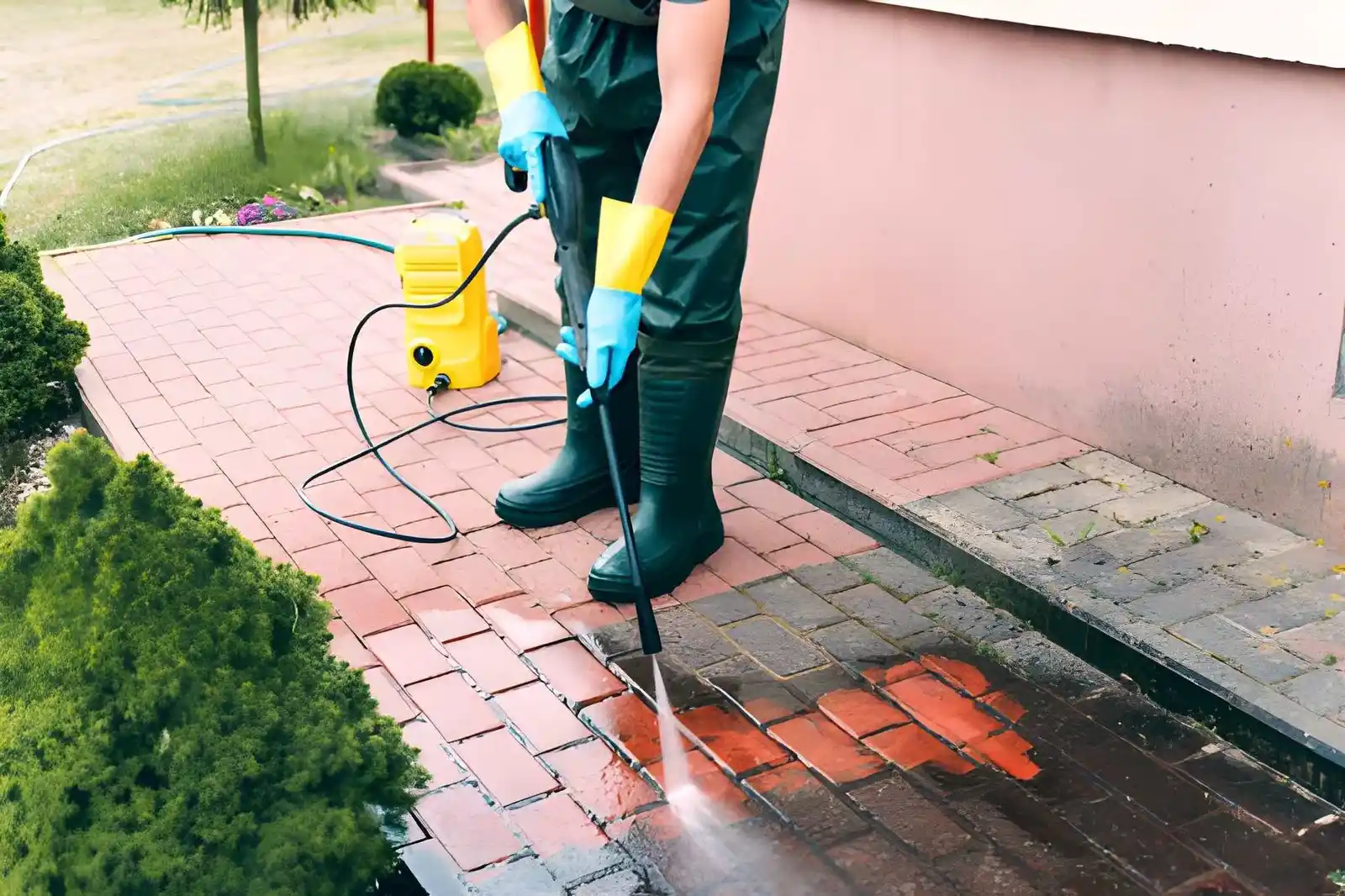
Our Power Washing Dublin service helps homeowners clean driveways, patios, paths and other suitable exterior surfaces. Top Renovations assesses the material and condition before choosing an appropriate cleaning method, pressure level and working sequence.
Outdoor surfaces collect dirt, organic growth and traffic marks over time. Effective cleaning can improve their appearance and make routine maintenance easier, but the method must suit the surface to avoid unnecessary damage.
Request a power washing quote or call 087 770 7093 to discuss your Dublin property.
Pressure cleaning can be used on many durable outdoor surfaces, but it is not a single method applied at the same setting everywhere. The material, joints, age and existing damage all influence the work.
Depending on the property and agreed scope, our power washing services may include:
The exact result depends on the surface, staining and previous treatment. Oil, rust, paint, deeply embedded marks and biological staining may require a specialist product or additional process and cannot always be removed completely.
The first step is identifying what is being cleaned. Concrete, block paving, natural stone, porcelain, render and timber do not respond in the same way. A setting that is appropriate for one material may mark, etch or loosen another.
We look for cracked units, open joints, unstable edges, loose render, flaking coatings and drainage problems. Existing defects should be understood before cleaning begins because water pressure can expose or worsen weak areas.
Nearby doors, vents, electrical fittings, vehicles, plants and neighbouring property also need consideration. The working area and access route are reviewed so that practical protection can be included in the plan.
Driveways receive vehicle traffic, foot traffic and regular exposure to weather. Dirt and organic growth can change the appearance of concrete, paving blocks and other durable surfaces, particularly in shaded or slow-drying areas.
Driveway cleaning begins with an assessment of the paving type and joints. Loose or damaged blocks, failed edges and significant settlement are paving issues rather than cleaning issues and may need repair before or after washing.
Oil and vehicle-fluid marks can be difficult to remove fully, especially when they have penetrated a porous surface. Tell us about these stains when enquiring so the likely treatment and limitations can be discussed.
Patios and garden paths can accumulate soil, leaf residue, algae and marks from furniture or planters. Cleaning can refresh these areas and help reveal joints or damaged sections that require maintenance.
Furniture, pots and loose items normally need to be removed before work begins. Heavy containers should be identified in advance so access and safe handling can be discussed.
For paving that requires more than cleaning, see our paving contractors Dublin service. Uneven areas, failed bases and broken units generally need repair or replacement rather than stronger pressure.
Some durable masonry surfaces may be suitable for controlled pressure cleaning, but painted walls, render, old pointing and weathered surfaces require caution. Water can enter defects or dislodge material if the method is too aggressive.
The condition and coating are assessed before exterior wall cleaning is agreed. Lower pressure, a different treatment or manual cleaning may be more appropriate in some locations. Delicate, historic or significantly damaged surfaces may require a specialist service.
If cleaning is intended as preparation for decoration, the wall must be allowed to dry and any repairs completed before coating. See our residential outdoor painting service for related exterior preparation and finishing.
Green growth is common in damp, shaded and sheltered outdoor areas. Pressure washing can remove loose surface growth, but recurring moisture, limited sunlight and nearby vegetation influence how quickly it returns.
The appropriate approach depends on the surface and extent of growth. Chemical treatments must be suitable for the material and used with care around planting, pets, drainage and neighbouring areas. No treatment should be assumed until the site has been assessed.
Cleaning improves the current condition but does not permanently prevent future organic growth. Keeping drains clear, reducing trapped debris and arranging maintenance before the surface becomes heavily soiled can make later cleaning more manageable.
The highest available pressure is not automatically the best setting. Excessive force can etch concrete, damage pointing, expose aggregate, mark timber, loosen coatings or remove jointing material.
Distance, nozzle selection, water flow, working angle and time spent on one area all affect the result. The operator should adjust the method as the surface response becomes clear.
Pre-existing wear may appear more noticeable once dirt is removed. Variations in colour can also remain where surfaces have weathered unevenly or were previously covered by furniture, planters or vehicles.
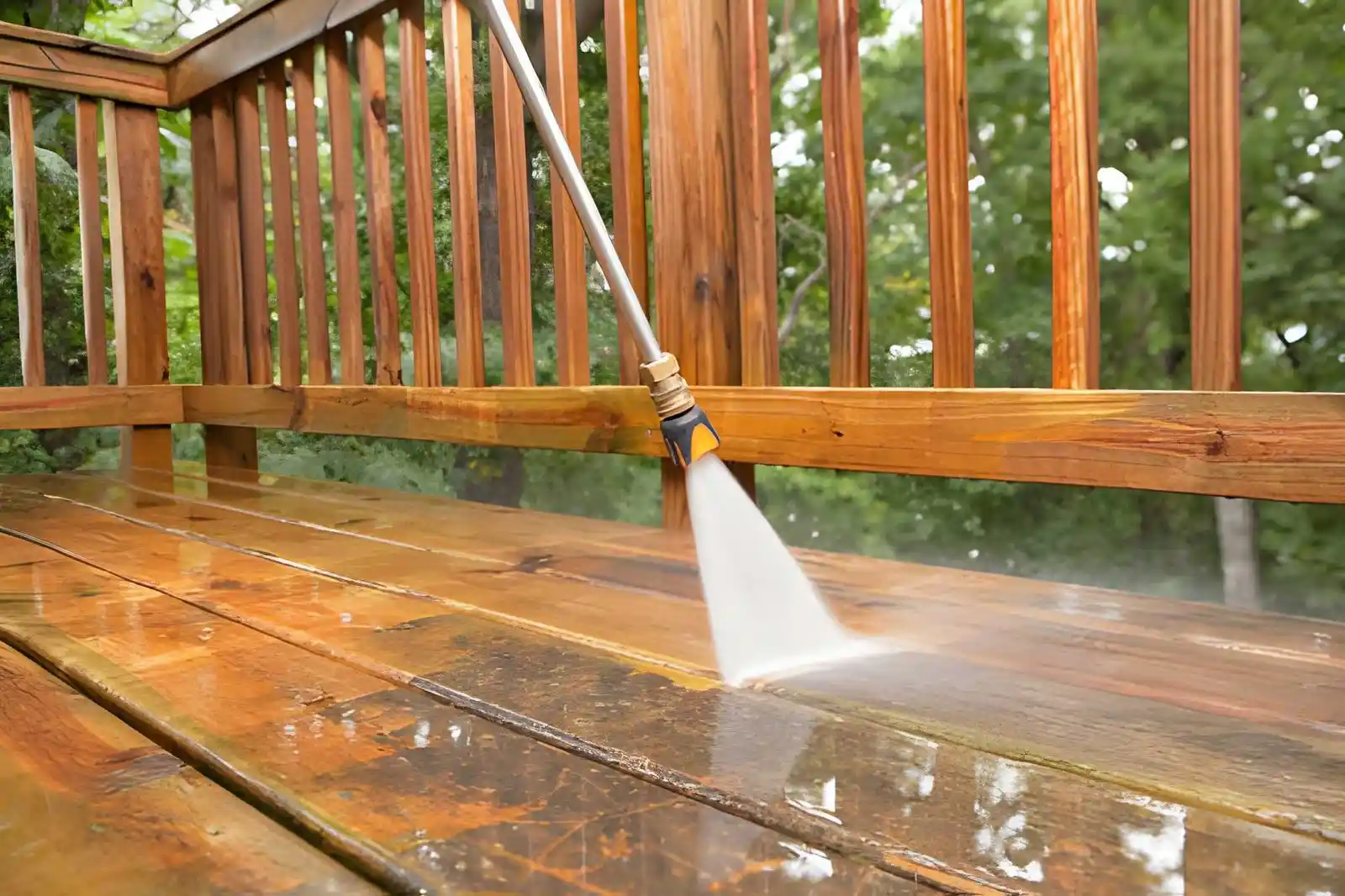
Power washing moves water and loosened material across the surface, so drains, thresholds and low points need attention. Debris should not simply be pushed into a blocked channel or towards a neighbouring property.
Doors, air vents and exposed electrical equipment may need protection or additional working distance. Outdoor sockets and fittings should be suitable for their location and condition before work takes place nearby.
Where standing water results from failed levels or drainage rather than a temporary blockage, cleaning alone will not correct the problem. Wider work can be considered through our garden landscaping Dublin service.
Pressure washing can remove loose jointing sand from block paving. The joints should therefore be inspected after cleaning and drying.
Re-sanding is not automatically included unless it is stated in the quotation. Where it is required, the surface normally needs to be sufficiently dry and the correct jointing material must suit the paving system.
Damaged edges, movement and low areas cannot be corrected by adding sand alone. These conditions may indicate that part of the paving needs to be lifted and repaired.
Exterior cleaning is often one preparation stage rather than the final job. Removing surface dirt can make cracks, loose coatings and damaged joints easier to identify before repairs begin.
For painting work, pressure washing does not replace scraping, repair, priming or the drying time required by the coating system. The sequence should be agreed so that the cleaned surface is not recoated before it is ready.
When outdoor cleaning forms part of a broader property project, it can be coordinated with our full home renovations Dublin service.
Construction and landscaping can leave soil and general site dirt on retained paths or paved areas. Final cleaning should be scheduled after the heavier work and material deliveries are complete.
The condition of retained paving should be recorded before work starts, particularly where machinery, skips or repeated access will cross it. Pressure washing can remove surface dirt but cannot repair scratches, cracks or movement caused by loading.
For projects involving lawns, boundaries, flower beds and multiple outdoor surfaces, cleaning can be included near the end of the wider garden programme.
Power washing is priced according to the actual surface and work required. A clear, accessible patio is different from a large driveway with heavy staining, difficult drainage or multiple levels.
Factors that may affect the quotation include:
Photographs, approximate measurements and details of the surface help with the initial discussion. A site assessment may still be needed before a reliable quotation can be prepared.
Top Renovations welcomes enquiries for planned power washing in Dublin City, North Dublin, South Dublin and West Dublin, as well as nearby parts of Kildare. Availability depends on the property, scope and proposed schedule.
When contacting us, include photographs of the surface, approximate dimensions, access information and the main type of staining. Let us know whether the cleaning is standalone or preparation for paving repair, painting or wider garden work.
The terms are often used interchangeably by customers. Equipment and water temperature can differ, but the important point for the property is selecting a cleaning method appropriate to the specific surface and condition.
Yes. Suitable concrete, block paving and other durable driveway surfaces can be assessed for cleaning. Existing damage, oil stains and failed joints should be identified before work begins.
Yes, subject to the paving material and condition. The surrounding planting, joints, drainage and nearby doors are considered when planning the work.
Not always. The result depends on the stain, surface porosity, age and previous treatments. Oil, rust, paint and deeply embedded marks may remain or require specialist treatment.
Excessive pressure or an unsuitable technique can damage surfaces and joints. The material and condition should be assessed so the equipment and working method can be adjusted.
Only when it is specifically included in the quotation. Cleaning can remove jointing sand, and the paving normally needs to dry before suitable replacement material is applied.
Suitable walls may be cleaned as part of preparation, but pressure washing does not replace repairs, scraping, priming or adequate drying before painting.
The cost depends on area, access, surface condition, staining, drainage, protection and any additional treatments or finishing work. Photographs and measurements help with the initial estimate.
Tell us what surfaces need cleaning, the type of staining present and whether the work forms part of a paving, painting or garden project. Include photographs and approximate measurements where possible.
Request a power washing quote or call 087 770 7093.


