

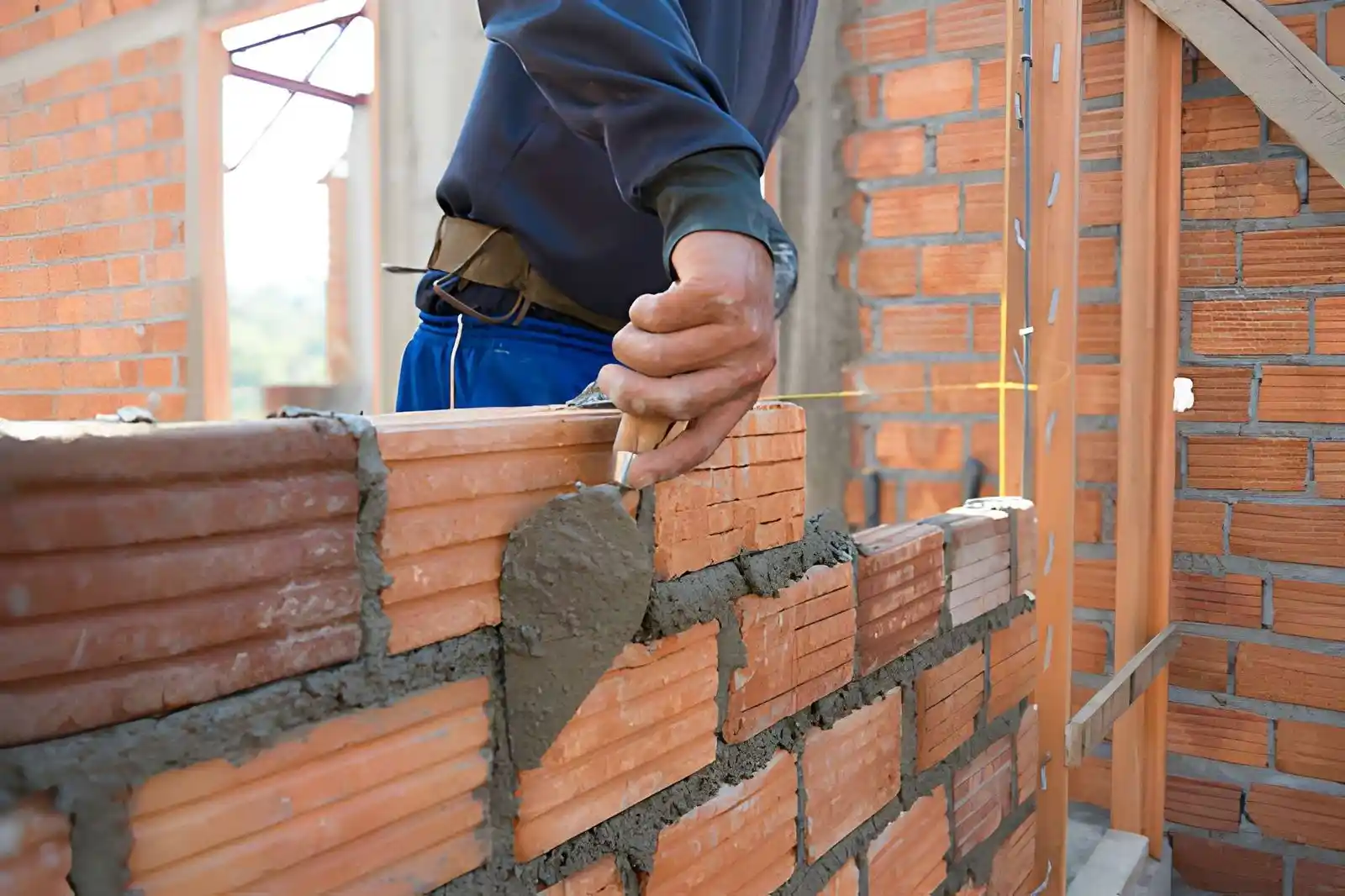
Our Brickwork Dublin service covers planned bricklaying, blocklaying and masonry work for homes, gardens and renovation projects. Top Renovations coordinates the preparation, materials and related trades so the new work fits the property and the agreed construction sequence.
Brickwork may be decorative, weather-facing or structural. The correct approach depends on what the wall supports, the existing construction, the foundation and exposure to moisture.
Request a brickwork quotation or call 087 770 7093 to discuss your Dublin property.
Good brickwork begins with a clear understanding of the wall’s purpose. A low garden border, a boundary wall, an internal block partition and an alteration to a load-bearing wall have very different requirements.
Depending on the property and agreed scope, our bricklaying services may include:
Structural work, retaining walls, chimneys, complex openings and construction subject to formal design require the appropriate drawings, engineering or specialist input before the brickwork begins.
New masonry must connect properly with what is already present. Wall thickness, bonding, levels, movement, moisture protection and the condition of the adjoining construction all influence the detail.
We review access, working space and the route for bricks, blocks, mortar and waste. On occupied properties, protection and the order of work are important because bricklaying can create dust, noise and repeated material movement.
The visible finish should also be agreed early. Brick colour, texture, size, mortar colour and joint profile affect how well new work sits beside an existing house or garden wall.
Brick can provide a durable finished surface without a separate render or paint coating. It may be used for garden walls, piers, selected extensions or decorative features where the construction and exposure are suitable.
The brick type and bond should be chosen before work begins. Variations between batches and differences from weathered existing brickwork need to be considered when an exact match is important.
Corners, openings, cappings and junctions require careful setting out. Small errors in the first courses can become increasingly visible as the wall rises, so line, level and dimensions are checked throughout construction.
Cracked, loose or damaged brickwork should be assessed before individual units are replaced. The visible defect may result from impact, weathering, moisture, corrosion, foundation movement or failure elsewhere in the construction.
A local repair may involve removing damaged bricks, preparing the opening and installing compatible replacements. Where a larger area has become unstable, partial rebuilding may provide a more reliable result than repeated patching.
Repairs cannot guarantee an invisible match. Existing bricks and mortar change colour through age, exposure and previous cleaning, while replacement products may have different dimensions or textures.
Mortar joints help the wall manage weather and hold the masonry together. Deteriorated or missing joints can allow more water into the wall and may leave brick edges vulnerable.
Repointing normally involves removing failed mortar to a suitable depth, cleaning the joints and installing a compatible replacement. Simply spreading a thin layer over loose mortar is unlikely to provide a durable repair.
The new mortar should suit the brick and the existing construction. Hard or incompatible mortar can create problems in some older masonry, so the wall type and condition need to be understood before the mix and joint profile are agreed.
Concrete blockwork is commonly used where the wall will receive another finish or form part of a wider building system. The block type, thickness and construction detail depend on the wall’s purpose and specification.
Blocklaying may be required for partitions, garden structures, extensions and renovation alterations. Openings, wall ties, insulation zones, lintels and service routes must be coordinated with the drawings and other trades.
A block wall that will be plastered or rendered still needs accurate line, level and junction details. Correct masonry work reduces unnecessary correction during later finishing stages.
Garden walls can define boundaries, retain small changes in level and connect paving or planting areas. Their foundations, height, exposure and relationship with neighbouring property all need to be considered.
Before changing a boundary wall, ownership and the agreed line should be clear. Substantial walls, retaining structures or changes close to services may require additional design or permission.
For a coordinated outdoor project, brickwork can be planned through our garden landscaping Dublin service. Low walls and raised planting areas can also be considered with our flower bed design and installation service.
Walls, steps and piers need to relate correctly to the finished paving levels. Building them without considering falls, drainage and edge restraints can create awkward junctions or trap water.
Masonry work is normally completed before delicate paving finishes where possible. This reduces the risk of mortar, tools and material movement damaging the finished surface.
For patios, paths and prepared outdoor surfaces, see our paving contractors Dublin service. The quotation should distinguish the masonry scope from paving preparation and installation.
Forming or changing an opening in masonry can affect the loads carried by the wall. The work must not proceed on assumption alone, particularly where floors, roofs or walls above rely on that section.
A structural engineer or other appropriate designer may be required to specify supports, bearings, lintels, beams and the temporary works sequence. Those requirements should be available before demolition begins.
Services concealed in the wall also need investigation. Electrical cables, plumbing and ventilation routes can affect where and how an opening is formed.
Mortar is a significant part of visible brickwork. Its colour, texture and joint profile influence the overall result and how a repair blends with the original wall.
Exact matching can be difficult because existing mortar weathers and becomes stained over time. A sample area or agreed visual reference may help establish expectations before a larger section proceeds.
New masonry also needs suitable curing and protection from adverse conditions. Premature cleaning or exposure to unsuitable weather can affect joints and surface appearance.
External walls must be detailed so water can drain and vulnerable horizontal surfaces are protected. Cappings, copings, damp-resistant details, cavities and drainage openings may form part of the specification depending on the construction.
Water entering from above can cause repeated staining and deterioration even when the visible joints have been repaired. The source should be considered rather than treating only the lowest damaged area.
Painted or rendered masonry may conceal the brick or block condition. Loose finishes need to be identified, and the wall may require drying or repair before a new coating is applied.
Not every crack is a simple bricklaying repair. Movement can result from foundations, drainage, trees, corrosion, thermal changes or alterations elsewhere in the building.
The pattern, width and location of cracking should be considered before rebuilding begins. Significant, progressive or unexplained movement may require investigation by a structural professional.
Repointing over an active crack does not correct its cause. The quotation should distinguish cosmetic repairs from work intended to address an identified construction defect.
Masonry alterations often need to happen before plastering, electrical work, plumbing and final decoration. Planning the sequence helps avoid reopening completed walls or damaging new finishes.
For multi-room projects and coordinated structural alterations, see our full home renovations Dublin service. Bricklaying and blocklaying can then be scheduled around demolition, structural supports and the other trades.
The final scope should identify who provides drawings, engineering, temporary works, waste removal and making-good so responsibilities are clear before work begins.
Brickwork is priced according to the construction and access required, not only the number of bricks or blocks. Repair work can be particularly variable because the condition behind the visible surface may not be known until opening begins.
Factors that may affect the quotation include:
Photographs, measurements and any available drawings help with the initial discussion. A site visit is normally required before a reliable quotation can be prepared.
Top Renovations welcomes enquiries for planned brickwork and blocklaying across Dublin City, North Dublin, South Dublin and West Dublin, as well as nearby parts of Kildare. Availability depends on the location, scope and proposed schedule.
When contacting us, include photographs of the area, approximate dimensions and a description of whether the work is new construction, repair or alteration. Provide drawings or engineering information where available.
The agreed scope may include new brick walls, garden walls, local repairs, repointing, blockwork and masonry alterations based on a suitable specification.
Yes. Blocklaying can be considered for renovations, partitions, garden construction and other suitable projects. The block type and wall detail depend on the intended use.
The wall can be assessed, but the cause of cracking should be understood before repair. Significant or progressive movement may need structural investigation.
We can review available products, but an exact match is not always possible because older bricks have weathered and product ranges change.
Suitable areas can be repointed after the existing mortar and brick condition have been assessed. The replacement mortar and joint profile should be compatible with the wall.
Yes, subject to the required foundation, wall design, access and any boundary or permission considerations.
Openings in structural or load-bearing masonry may require engineering design and a defined support sequence. This should be established before demolition starts.
The cost depends on access, materials, foundations, wall dimensions, design details, demolition and associated finishing work. A site assessment is usually required for a meaningful quotation.
Tell us whether you need new brickwork, a repair, blocklaying or a masonry alteration. Include photographs, approximate dimensions and drawings where available.
Request a brickwork quotation or call 087 770 7093.


