

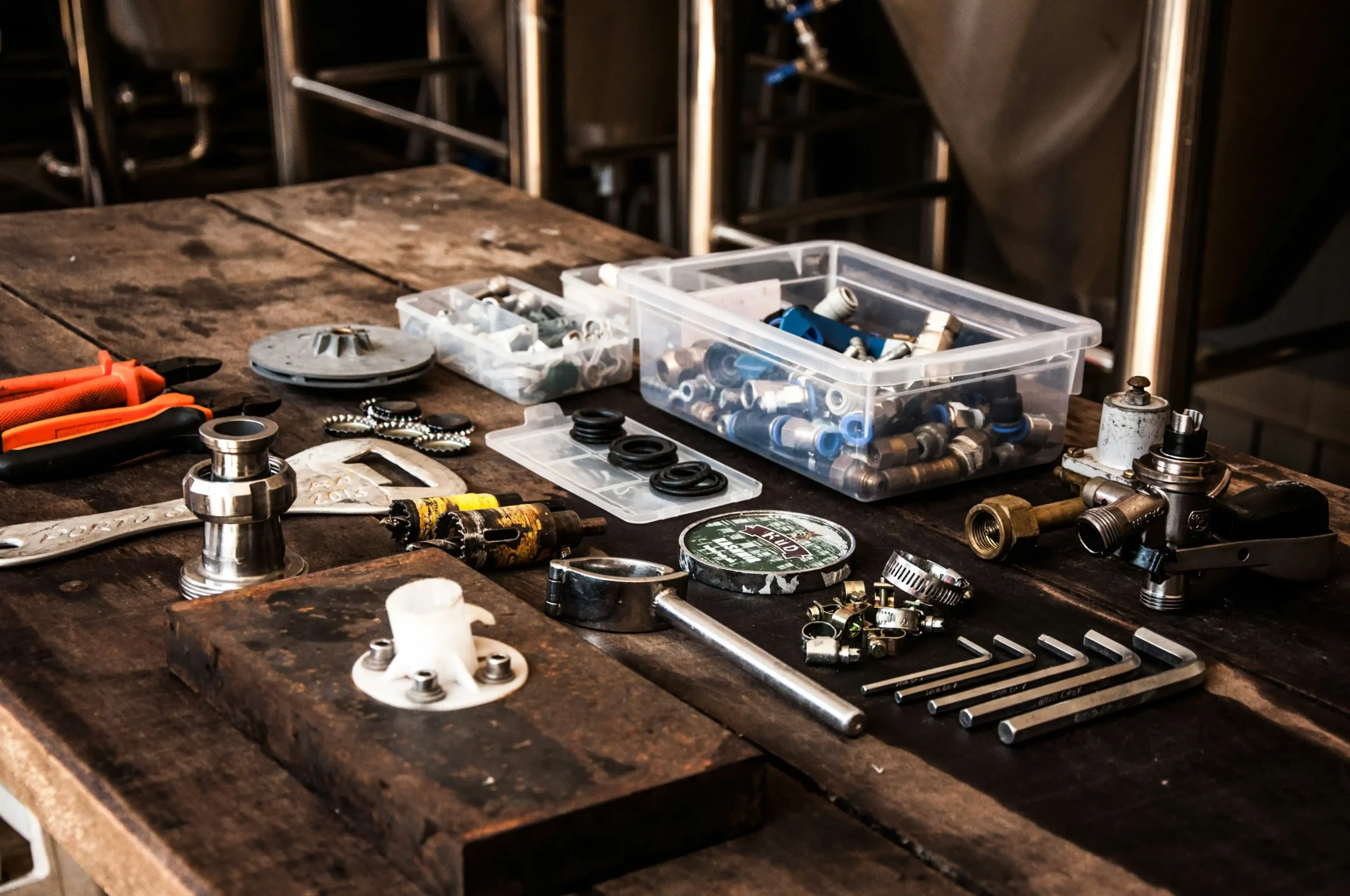
Reliable plumbing depends on finding the cause of a problem, choosing the right materials and completing each connection carefully. Top Renovations provides plumbing services in Dublin for repairs, replacements, bathroom and kitchen projects, and wider home renovations.
We assess the visible issue, the existing pipework and the fixtures involved before agreeing the work. The scope may range from replacing a leaking tap or faulty toilet component to installing new water supplies and waste connections for a bathroom, kitchen or utility area.
Request a Dublin plumbing quote or call 087 770 7093 to describe the work required.
Plumbing systems are connected throughout the property, so the source of a problem may not be directly beside the visible stain, drip or poor flow. A useful assessment considers the affected fixture, nearby pipe routes, isolation valves, water pressure and any recent work completed in the home.
Our Dublin plumbing services can be arranged as a standalone job or as part of a planned renovation. Depending on the property and agreed scope, the work may include:
The exact service depends on access, condition and the type of system in the property. Boiler servicing, gas work, drain clearing and specialist pumping systems are treated separately and should be confirmed when enquiring.
Certification depends on the type of work being completed. General plumbing, domestic gas work and restricted electrical work are not interchangeable categories. We identify any regulated element before the project begins and arrange the relevant specialist where it forms part of the agreed scope.
Domestic gas work must be carried out by a Registered Gas Installer. The Commission for Regulation of Utilities explains that an RGI must provide a Declaration of Conformance Certificate for completed gas work. You can read the current requirements and find the register through the CRU guidance on gas work in the home.
Restricted domestic electrical work must be completed and certified by a Registered Electrical Contractor. This can be relevant where plumbing projects involve electric showers, pumps, controls or other electrical equipment. Registered contractors can be checked through Safe Electric.
Where certification is legally required, the appropriate registered contractor and documentation should be included in the agreed scope. We do not use a general plumbing claim as a substitute for the specific registration required for gas or electrical work.
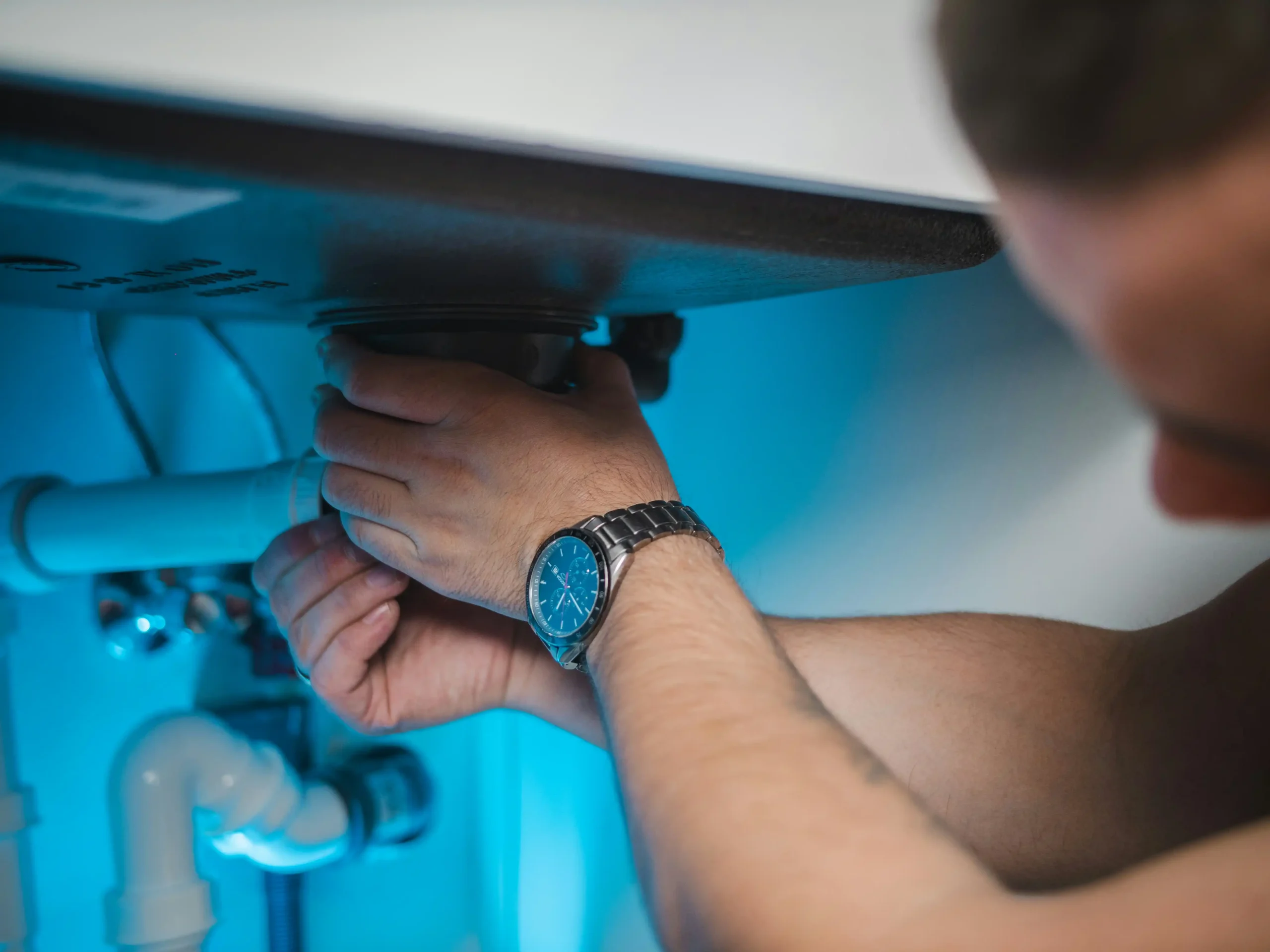
A visible drip may be caused by a worn seal, loose connection, damaged component or unsuitable fitting. Water marks can also travel along a pipe or surface before they become visible, so replacing the nearest component without checking the source may not resolve the issue.
Tap and toilet repairs depend on the condition and availability of compatible parts. In some cases a repair is practical. In others, replacement provides a more reliable result, particularly where a fixture is damaged, heavily worn or difficult to service.
If water is escaping actively, turn off the appropriate isolation valve or the property’s main water supply where it is safe to do so. Protect nearby electrical equipment and finishes, then explain the location and scale of the leak when contacting a plumber. Service availability and response time should be confirmed directly.
Bathroom plumbing involves more than connecting the final fixtures. Water supplies, waste routes, falls, isolation points and access for future maintenance should be planned before walls, floors and tiles are completed.
When a bathroom layout changes, the position of the toilet, shower, bath and basin can affect the amount of concealed work required. Existing floors and walls may need to be opened to create suitable routes. The new arrangement should be checked before sanitaryware is ordered because product dimensions and outlet positions vary.
For a complete update to an existing room, see our bathroom renovations Dublin service. If you are creating a bathroom in a room that does not currently have one, visit our new bathroom installation page.
Kitchen plumbing commonly includes the sink, taps, dishwasher and washing-machine connections. Some layouts also require water for a fridge, filter or other specified appliance. Each product should be confirmed before the final service positions are installed.
Waste connections need adequate falls and accessible traps. Supplies and isolation valves should be positioned so they do not obstruct drawers, appliances or cabinet fittings. These details are easier to resolve before the new units and worktops are fixed.
Where plumbing is part of a complete kitchen project, it can be coordinated with our kitchen fitters Dublin service. Provide the final supplier plan and appliance specifications so the service positions can be reviewed against the proposed cabinets.
Renovation work can affect pipework across several rooms. Old supplies may need to be rerouted, redundant connections removed and new services installed before plastering, tiling or joinery begins. Coordinating this first-fix work prevents finished surfaces from being opened again unnecessarily.
It is also important to distinguish between visible fixtures and concealed infrastructure. A renovation specification should state which pipework is being replaced, where existing services are retained and how new connections will be accessed in the future.
For projects involving several rooms, layout changes and coordinated trades, review our full home renovations Dublin service. Plumbing can then be planned alongside building work, kitchens, bathrooms and finishes.
Low flow at one tap may point to a local restriction or faulty fitting, while similar symptoms throughout the home can involve a wider supply or system issue. Pressure and flow are different measurements, and changing a pump or valve without understanding the existing arrangement can create new problems.
Recurring airlocks, noisy pipework, slow filling, poor shower performance or repeated leaks should be described in detail. Note when the problem occurs, which outlets are affected and whether it began after another fixture or system was changed. This information helps narrow the assessment.
Some properties have older materials, inaccessible pipe routes or previous alterations that are not visible until work begins. Where opening-up is required, the likely effect on walls, ceilings, floors or fitted furniture should be discussed first.
Plumbing costs depend on the work required rather than the keyword used to describe the problem. A replaceable tap component is different from a concealed leak that requires investigation and making-good. A new bathroom connection is different from changing a fixture in the same position.
Factors that can affect the quotation include:
Photographs and a clear description are useful for the first discussion, but a site assessment may still be required before a reliable quotation can be prepared.
Fixtures should be selected for compatibility as well as appearance. Inlet positions, outlet sizes, water-pressure requirements and available clearances can determine whether a product suits the existing system and room.
Check the complete specification before ordering concealed valves, wall-mounted taps, shower controls, frames or specialist wastes. Replacement parts and future access should also be considered. A fitting that cannot be reached after tiling may make later maintenance unnecessarily disruptive.
Where you supply the product, keep all installation instructions, templates and components together. Missing wastes, valves or fixing kits can delay the job even when the main fixture has arrived.
Top Renovations welcomes planned plumbing enquiries from Dublin City, North Dublin, South Dublin and West Dublin, as well as nearby parts of Kildare. Availability depends on the location, project scope and proposed schedule.
When contacting us, include the property area, photographs, the affected fixture or room, and whether the water can be isolated. For installations, provide product details and any kitchen or bathroom drawings already prepared.
The scope can include taps, toilets, sinks, showers, baths, accessible pipework, water supplies, waste connections, appliance connections and plumbing for kitchen, bathroom and renovation projects. Specialist systems should be discussed when enquiring.
Certification depends on the work. Domestic gas work must be completed by an RGI, and restricted electrical work by a Registered Electrical Contractor. Where regulated work is included, the appropriate registration and certification requirements are confirmed as part of the scope.
Availability and response times vary and should be confirmed directly. For an active leak, isolate the affected water supply where safe, protect electrical equipment and contact an appropriate urgent service.
This may be possible, but the route and fall of waste pipes, floor construction, water supplies and access all need to be assessed before the new layout is confirmed.
Connections can be included where suitable supplies, isolation and waste arrangements are available or can be installed. The appliance instructions and proposed cabinet layout should be provided.
The cost depends on the problem, access, parts, time and any making-good required. A clear description and photographs help with the initial assessment, but some work needs a site visit before it can be priced properly.
Yes. First-fix and second-fix plumbing can be coordinated with bathroom, kitchen and home renovation work where it forms part of the agreed project.
Tell us what is leaking, being replaced or being newly installed. Include photographs and the Dublin property location where possible, along with any product details or renovation drawings.
Request a plumbing service quote or call 087 770 7093.


