

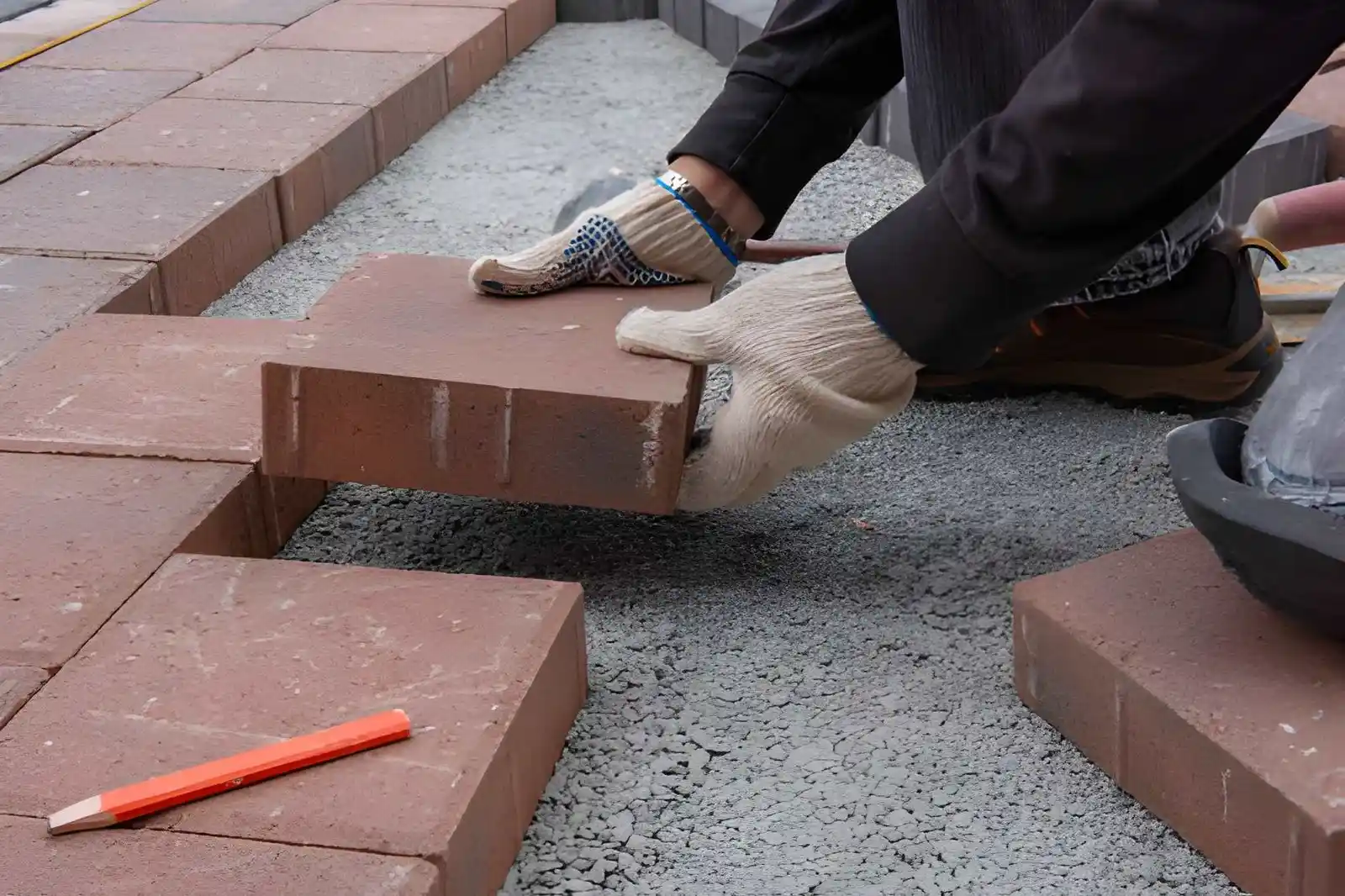
Top Renovations provides paving services for Dublin homes, including garden paving, patios, paths and practical outdoor areas. Our Paving Contractors Dublin service covers the preparation and installation needed to create a stable, usable finish that connects properly with the house and wider garden.
Paving should be planned around access, existing levels, drainage and intended use. We review these conditions before agreeing the construction build-up, paving material and layout.
Request a paving quotation or call 087 770 7093 to discuss your Dublin property.
A successful paving installation involves more than arranging the visible blocks or slabs. Excavation, sub-base preparation, compaction, falls, drainage and edge restraint all affect how the finished surface performs.
Depending on the property and agreed scope, our paving services may include:
The final scope depends on the intended use, access and existing ground. Driveways, vehicle-bearing surfaces, substantial retaining work and complex drainage require specifications appropriate to their loads and site conditions.
The layout should respond to how the outdoor space will be used. A patio may need room for furniture and circulation, while a path should create a direct, comfortable route without leaving awkward strips of lawn or planting.
We consider doors, steps, vents, drains, inspection covers and boundary levels before work begins. Paving installed too high can create problems around the building, while poorly positioned steps or narrow transitions can make the garden harder to use.
The shape and pattern should also suit the scale of the property. A simple layout often provides a cleaner result than using too many materials, colours or decorative borders in one space.
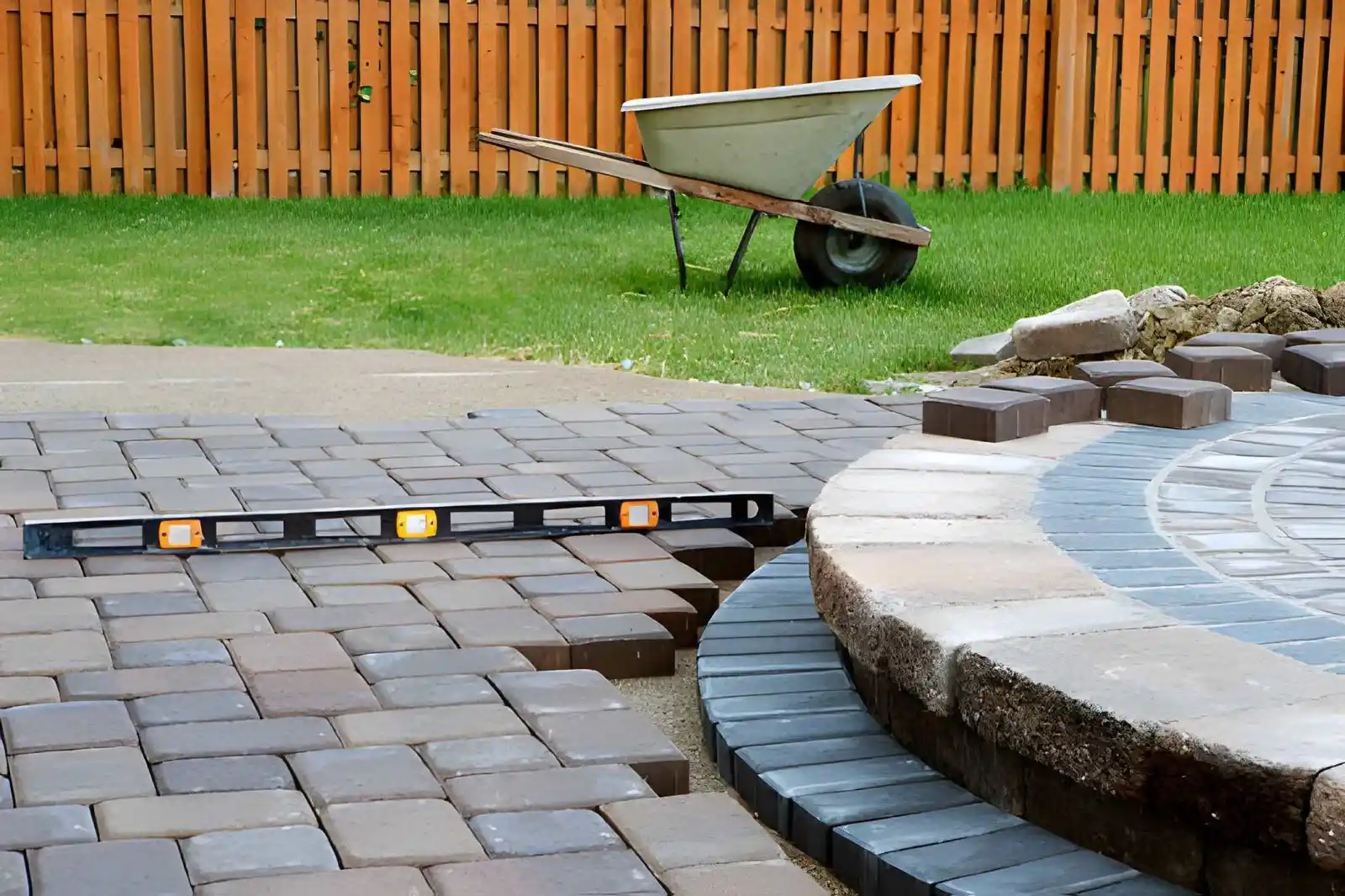
A patio creates a defined outdoor area for seating, dining and access from the house. Its size should allow for the intended furniture and movement around it rather than being based only on the available paving dimensions.
The relationship with the building is important. Door thresholds, damp-sensitive areas, drainage points and the direction of surface water all need to be considered. The patio should also connect comfortably with paths, lawns and steps.
Patio installation can be completed as a focused project or coordinated with a wider garden renovation. The quotation identifies the proposed area, paving product, edge treatment and preparation included.
Garden paving can make outdoor space easier to use throughout the year. Paths provide reliable access between doors, sheds, bins, lawns and planting areas, while smaller paved areas can support a bench, table or barbecue.
Routes should follow how people naturally move through the garden. Excessively narrow paths, sharp changes in direction or awkward gaps beside boundaries can reduce usability and complicate maintenance.
Where paving meets a lawn or flower bed, the edge should be clear and stable. This helps keep soil and planting material away from the paved surface and gives the surrounding garden a deliberate finish.
The finished paving is only as reliable as the preparation beneath it. Existing soil, previous construction, roots and made-up ground can all influence how much material needs to be removed.
The excavation depth and sub-base specification depend on the intended use and paving system. Pedestrian patios and paths have different loading conditions from vehicle areas. The base is installed and compacted in suitable layers before the laying course is prepared.
Soft spots, unexpected fill or buried obstructions may only become clear during excavation. If additional work is needed beyond the visible site assessment, it should be discussed before the affected area proceeds.
Outdoor paving needs suitable falls so that surface water can move towards an appropriate drainage point rather than collecting in low areas. The direction of flow must also avoid creating problems for the house, boundaries or neighbouring properties.
Existing gullies, channels and inspection covers may influence the final layout. These features should remain accessible and their levels coordinated with the new surface.
Drainage requirements vary by site and by the permeability of the proposed construction. Where a larger drainage issue is present, specialist assessment or additional work may be required before paving begins.
The selected paving should suit the property’s appearance, the intended use and the maintenance expected. Options may include concrete paving, block paving, porcelain products, natural stone or another suitable external paving system.
Different materials have different requirements for base preparation, laying, cutting, jointing and cleaning. Product dimensions and batch variation can also affect the final pattern. The manufacturer’s installation requirements should be considered when the material is selected.
Colour and texture should be viewed in relation to the house, boundaries and other garden materials. Slip resistance and exposure are particularly important for steps, shaded areas and routes used in wet weather.
A paving edge helps contain the construction and creates a neat junction with lawns, soil and decorative aggregates. The correct restraint depends on the paving type and the surrounding ground.
Steps and changes in level require careful setting out. Riser heights, tread depths, drainage and the connection to doors or paths should be considered together. A small difference at the start of the layout can become more noticeable across a larger paved area.
Where the new paving meets an existing surface, the transition should be practical and visually controlled. The condition and level of the retained surface are reviewed before the final detail is agreed.
Older paving may become uneven, damaged or unsuitable for a changed garden layout. The cause should be considered before the visible material is simply replaced.
A paving refurbishment may involve lifting failed areas, correcting the base, replacing damaged units or rebuilding the whole surface. Reusing existing blocks or slabs depends on their condition, dimensions and the ability to clean and relay them consistently.
Matching an older product can be difficult because colours weather and ranges change. If an exact match is unavailable, a deliberate border or clearly defined new section may provide a better result than an inconsistent patch.
Paving, lawns, flower beds and boundaries should be planned as one connected layout. Completing excavation, below-ground services and heavier construction before delicate planting helps protect the finished work.
For a broader transformation, see our garden landscaping Dublin service. Where planting areas meet the paving, our flower bed design and installation service explains the preparation, edging and planting considerations in more detail.
Outdoor sockets, lighting and water points should be planned before the final surface is installed. Related work can be coordinated through our electrical services in Dublin and Dublin plumbing services where required.
Changes to doors, extensions and drainage can affect external finished levels. Installing paving before these details are settled may lead to unnecessary lifting or awkward thresholds later.
For projects involving several areas of the property, paving can be coordinated with our full home renovations Dublin service. This helps schedule access, excavation and material deliveries around the other building and finishing work.
Any new structure, major level change or work affecting services should be identified during the initial discussion so the correct sequence and specialist input can be considered.
Paving costs depend on the total construction required rather than the surface material alone. Access, excavation, disposal, levels and drainage can make two similarly sized areas very different projects.
Factors that may affect the quotation include:
Photographs, approximate measurements and details of the intended use help with the initial conversation. A site visit is normally required before a reliable paving quotation can be prepared.
Top Renovations welcomes enquiries for paving and patio installation across Dublin City, North Dublin, South Dublin and West Dublin, as well as nearby parts of Kildare. Availability depends on the location, scope and proposed schedule.
When contacting us, include photographs of the area, approximate dimensions, access information and the type of paving you are considering. Let us know whether the project is a patio, path, garden renovation or another outdoor surface.
The agreed scope may include patios, garden paths, paved seating areas, steps, edging, replacement paving and preparation of the required base. The exact service depends on the property and intended use.
Yes. Patio installation can be completed as a standalone project or as part of a wider garden renovation, subject to site assessment and availability.
Yes. The existing surface and base are assessed so the cause of movement or failure can be considered before replacement work is agreed.
Suitable levels and water management are essential. The required falls and drainage details depend on the site, paving system and surrounding buildings or boundaries.
The choice depends on appearance, use, exposure, slip resistance, maintenance and budget. Installation requirements also vary between concrete, block, porcelain and natural-stone products.
Yes. Planning the paved areas with lawns, planting, drainage and boundaries creates a more coordinated layout and construction sequence.
The duration depends on area, access, excavation, weather, drainage and the paving specification. A proposed programme can be discussed once the scope has been assessed.
The cost depends on preparation, access, materials, drainage, edges, steps and intended use. A site review and agreed specification are normally needed for a meaningful quotation.
Tell us what you want to pave, how the area will be used and whether it forms part of a larger garden or home renovation. Include photographs, approximate measurements and your Dublin location where possible.
Request a paving quotation or call 087 770 7093.


