

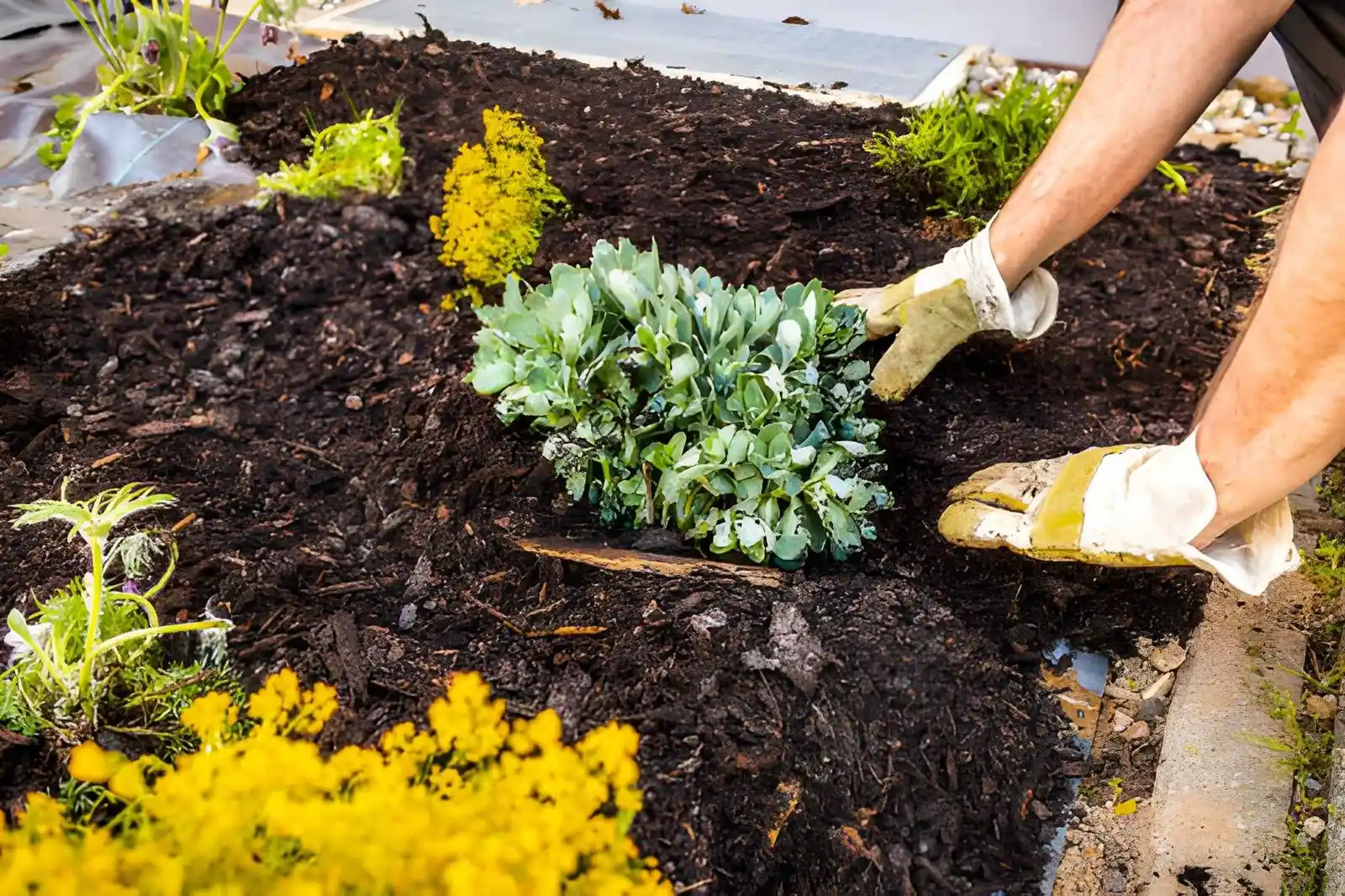
Our Flower Bed Design and Installation Dublin service helps homeowners introduce structure, colour and easier-to-manage planting areas into their gardens. We build new ground-level and raised flower beds, refurbish existing beds and prepare the soil and edges for the agreed planting.
The right flower bed depends on the garden rather than a standard shape. Light, drainage, access, mature plants, surrounding surfaces and the amount of maintenance you want all influence the design.
Request a flower bed installation quote or call 087 770 7093 to discuss your Dublin garden.
A well-planned bed should fit naturally into the wider garden. It can soften a boundary, define a lawn, add interest beside a patio or create a practical growing area at a more accessible height.
Depending on the property and agreed scope, our flower bed services may include:
The final specification depends on the location, access and condition of the existing ground. Larger retaining structures, specialist irrigation or substantial changes in level may require additional design and assessment.
The position and shape of a flower bed affect the whole garden. A narrow border can soften a fence without reducing usable space, while a deeper curved or geometric bed can become a main feature. Raised beds can introduce height, define separate areas and reduce the amount of bending required for routine maintenance.
We begin by discussing what you want the bed to achieve. Some clients want year-round structure, others want seasonal colour, screening or a practical place for herbs and vegetables. The design should also account for windows, doors, paths, seating areas and access for mowing or maintenance.
Existing trees and mature shrubs need particular care. Their roots, shade and water demands can influence which new plants and construction methods are suitable. We review what can be retained before excavation begins.
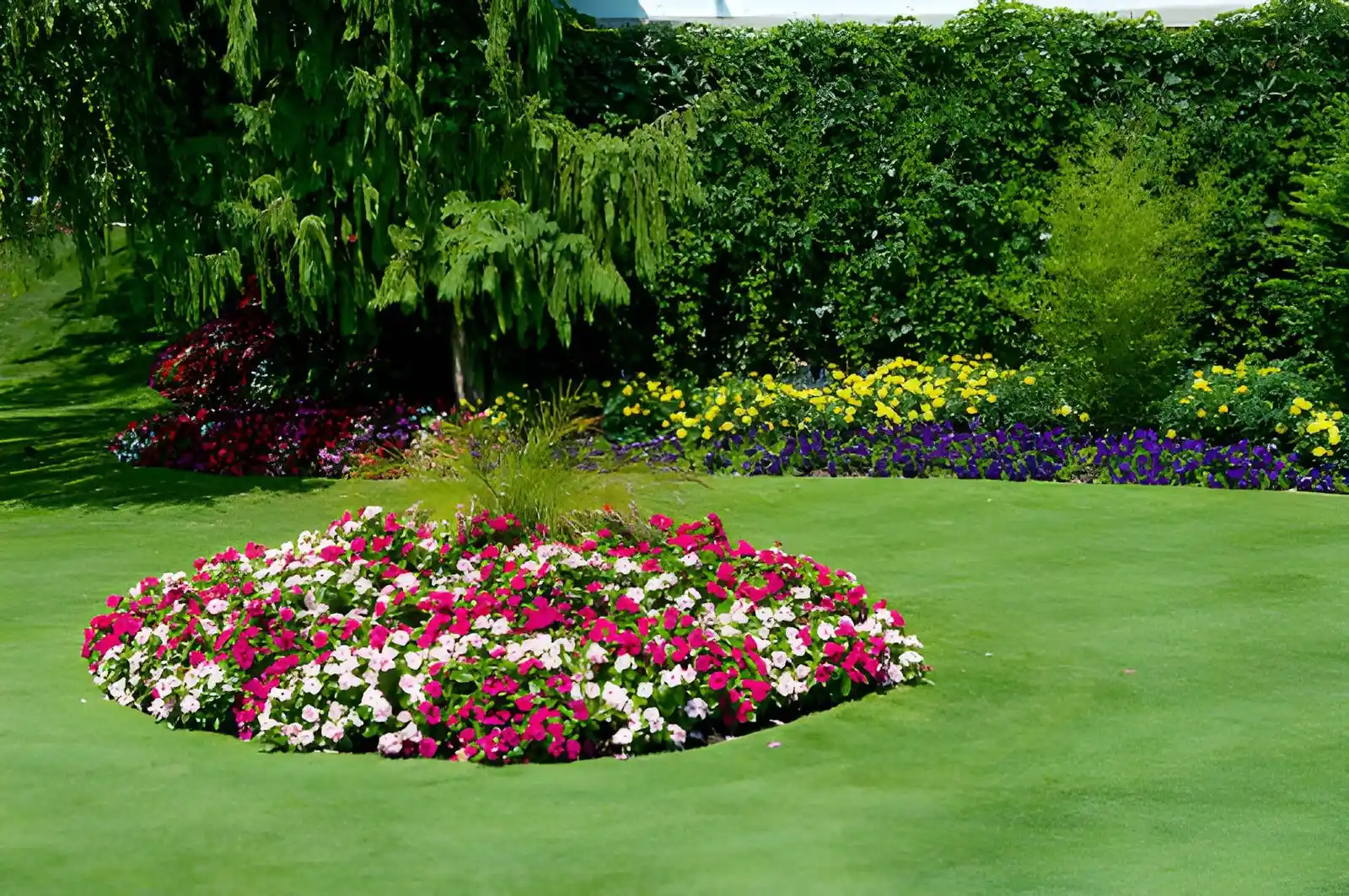
Raised flowerbeds can work well where the existing soil is poor, the garden needs stronger definition or easier access is a priority. They can also help separate planting from a lawn, path or seating area.
The appropriate height and construction depend on the intended use. A shallow raised border has different requirements from a taller bed holding a substantial depth of soil. Materials must be selected for outdoor exposure and the pressure created by soil and water.
Drainage is considered as part of the build. A raised bed should not trap excessive water or direct it towards the house, a boundary or a neighbouring property. Where the bed sits against an existing wall or fence, access and long-term maintenance should also be considered.
Ground-level beds can be introduced along boundaries, around a lawn or as islands within a larger garden. Their width and outline should suit the scale of the space and leave practical routes for walking, mowing and maintaining surrounding surfaces.
Preparation may involve removing turf, weeds, roots, rubble or compacted material. The condition beneath the surface cannot always be confirmed until excavation begins, particularly in gardens that have been altered several times.
A defined edge helps retain the soil and gives the bed a finished relationship with the lawn or path. The edge can be simple and discreet or form a more visible part of the design.
Healthy planting depends on suitable soil structure and drainage. Adding new plants without correcting compacted or unsuitable ground can lead to poor establishment, waterlogging or rapid drying.
We assess the visible soil condition and discuss the intended planting. Preparation may include loosening compacted areas, removing unsuitable material and incorporating an agreed soil or organic improvement. The required depth depends on the plants and whether the bed is at ground level or raised.
Drainage solutions must respond to the actual site. Water should not be redirected towards buildings or neighbouring gardens. Where a persistent drainage problem affects the wider property, it may need to be investigated as part of a broader landscaping plan.
Edging separates the planting area from lawns, paths and decorative stone. It also helps keep the intended outline clear as the garden matures.
Options may include timber, masonry, brick, stone, metal or another suitable landscape edging product. The choice should work with the house and other garden materials rather than introducing an unrelated finish.
Raised flower bed construction needs a stable base and suitable retaining detail. Taller or structurally demanding beds may require a more substantial specification than a low decorative border. The quotation will identify the agreed material and visible finish.
A planting plan should consider sunlight, exposure, soil, mature plant size and seasonal change. A bed that looks sparse when first planted may need space for growth, while planting too densely can create avoidable competition and maintenance.
We discuss preferences such as evergreen structure, flowering periods, colour, screening and pollinator-friendly planting. Plant availability changes through the year, so substitutions may sometimes be needed within the agreed style and budget.
Specialist horticultural advice may be appropriate for unusual plants, difficult sites or detailed long-term planting schemes. Any such requirement should be identified before ordering begins.
An established bed may need improvement rather than complete replacement. Overgrown plants, failing edges, compacted soil and an unclear shape can make the area difficult to maintain even when some planting is worth keeping.
A flower bed refurbishment may include selective clearance, reshaping, soil improvement, renewed edging and replanting empty areas. Existing plants are reviewed before work starts so the agreed items can be retained or moved where practical.
The best timing can depend on the plants involved and the extent of disturbance. If a bed contains mature or sensitive specimens, this should be discussed during the site assessment.
Flower beds should connect with the levels, paths, lawn and seating areas around them. If the whole garden is changing, completing excavation, drainage and heavier construction first protects the prepared soil and new planting from unnecessary traffic.
For a complete outdoor transformation, see our garden landscaping Dublin service. The flower beds can then be planned as part of the overall layout while still receiving a clearly defined construction and planting scope.
Where outdoor lighting or a new water point is required, it should be planned before finished surfaces and planting are completed. Related work can be coordinated through our electrical services in Dublin and Dublin plumbing services where appropriate.
The meeting point between planting and hard surfaces needs careful planning. Soil levels should not obstruct drainage or cover parts of a wall that need to remain exposed. Plants should also have enough room to mature without blocking a path or continually spreading over a seating area.
Beside a lawn, the outline should be practical to mow and maintain. Beside a patio or path, edging and soil retention help limit loose material washing onto the finished surface.
If future paving is planned, the finished levels and bed positions should be considered together before either part is built. This avoids creating awkward steps, narrow strips or drainage conflicts.
The cost of flower bed design and construction depends on the preparation, dimensions, materials and planting specification. A simple ground-level border is different from a deep raised bed with substantial retaining sides and a full planting scheme.
Factors that may affect the quotation include:
Photographs, approximate measurements and an indication of the preferred style are useful for the first discussion. A site visit may be required before a detailed quotation can be prepared.
Top Renovations welcomes enquiries for flower bed design and installation across Dublin City, North Dublin, South Dublin and West Dublin, as well as nearby parts of Kildare. Availability depends on the location, project scope and proposed schedule.
When contacting us, include photographs of the proposed area, approximate dimensions and information about access. Let us know whether the bed will be part of a complete garden renovation or a standalone improvement.
Yes. Raised flower beds can be designed and constructed using an agreed outdoor material. The height, soil depth, drainage and retaining requirements depend on the location and intended planting.
Yes. The layout, edging and preparation can be planned around the lawn and its maintenance. Turf and unsuitable material are removed from the agreed area before the bed is prepared.
Yes. The work may include selective clearance, reshaping, soil improvement, renewed edges and new planting. Existing plants to be retained should be identified before work begins.
Plant supply and installation can be included in the quotation. Availability can vary by season, and any proposed substitutions should follow the agreed style and site requirements.
Suitable options can include timber, brick, masonry, stone or other landscape retaining products. The correct choice depends on the height, exposure, appearance and surrounding garden materials.
They need soil and construction that allow suitable water movement for the selected plants. Raised or poorly drained sites may require additional preparation following assessment.
Yes. Planning them with the lawn, paths, drainage and built features helps create a coordinated layout and an appropriate construction sequence.
The cost depends on size, access, excavation, soil, edging, raised construction and the plants selected. A site review and agreed specification are usually needed for a meaningful quotation.
Tell us where the new beds will be located, whether you prefer ground-level or raised flowerbeds and what you would like the planting to achieve. Include photographs and approximate measurements where possible.
Request a flower bed installation quote or call 087 770 7093.


